Chili Menu Prices You Should Know
Chili menu prices typically range from $5 to $15, depending on ingredients and portion size.
You’ll pay less at food trucks ($5-$8) than casual restaurants ($8-$12), where extras like sides add value.
Premium meats and organic toppings raise the cost, while bigger portions cost more but offer better value.
Budget-friendly chili options under $10 are easy to find, especially with seasonal deals and specials.
Keep exploring to discover what makes premium versus everyday chili worth your money.
It’s all about what you’re craving and how much you want to spend!
Key Takeaways
- Chili prices typically range from $5 to $15, depending on ingredients and portion size.
- Classic beef chili costs about $6 to $9 at casual diners, while specialty versions go up to $15.
- Food trucks offer chili for $5 to $8, often featuring unique varieties at lower prices than restaurants.
- Ingredient quality, meat type, and extras like toppings or sides significantly influence chili menu prices.
- Seasonal discounts and local specials can help customers find chili dishes for under $10.
Typical Price Ranges for Popular Chili Dishes

While prices can vary depending on location and ingredients, you’ll generally find popular chili dishes priced between $5 and $15. If you’re grabbing a simple bowl of classic beef chili at a casual diner, expect to pay around $6 to $9.
More elaborate versions, like chili topped with cheese, onions, or served with cornbread, typically cost between $8 and $12. Chili con carne with added sides or specialty meats usually pushes the price closer to $12 to $15, especially in restaurants with a focus on gourmet or regional twists.
If you order chili as part of a combo meal or at fast-food chains, prices might be on the lower end, often under $7. However, in bigger cities or specialty eateries, prices can creep higher due to overhead costs.
Knowing these typical ranges helps you anticipate what you’ll pay without surprises when you’re craving chili.
How Ingredients Affect Chili Menu Prices
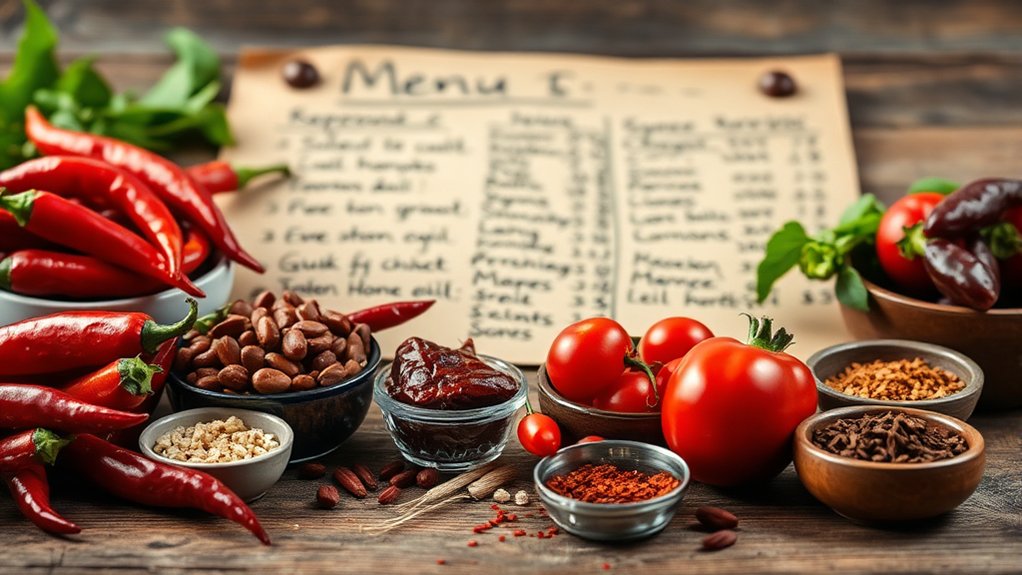
The variety in chili prices often comes down to the ingredients used in each dish. When you look at a chili menu, you’ll notice that certain ingredients can greatly affect the cost.
Here’s what you should keep in mind:
- Meat Type: Beef, pork, or turkey vary in price, with premium cuts or specialty meats costing more.
- Beans and Vegetables: Adding more beans or fresh vegetables can keep prices moderate. But if you use organic or exotic varieties, the cost might go up a bit.
- Spices and Add-ons: Unique spices, specialty peppers, or toppings like cheese and sour cream tend to increase the overall price.
- Quality and Sourcing: Locally sourced or organic ingredients typically come with a higher price tag. That usually impacts the final menu cost.
How Portion Sizes Affect Chili Prices
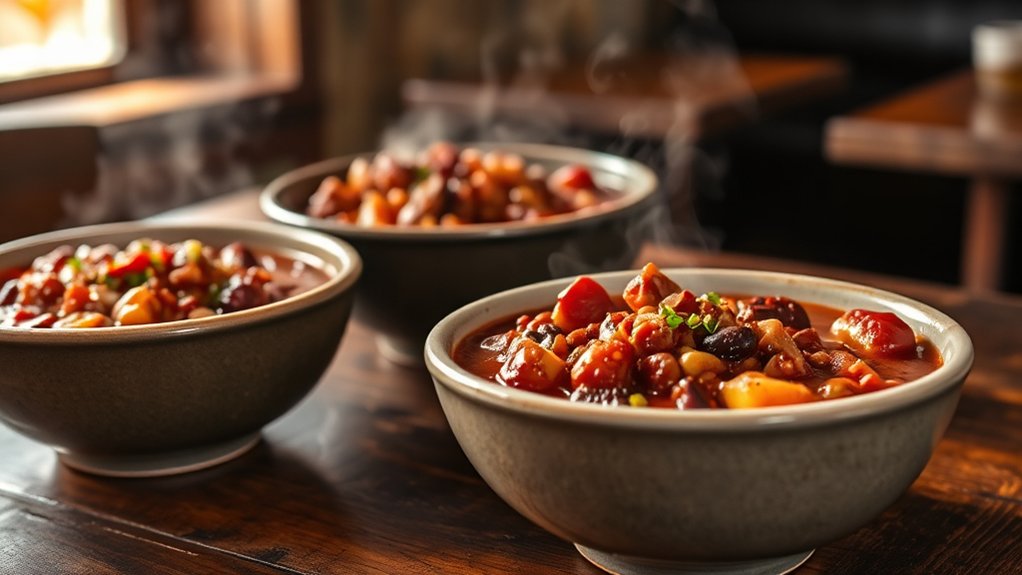
Because larger portions require more ingredients and preparation time, they usually cost more on a chili menu. When you order a bigger bowl or a chili combo, you’re paying for the extra servings.
Restaurants price these portions to cover the additional food and labor involved. If you’re watching your budget, opting for a smaller size can save you money without sacrificing flavor.
On the other hand, if you’re extra hungry or sharing, a larger portion offers better value per ounce. Keep in mind that some places offer half-portions or customizable sizes, letting you choose how much chili you want.
This flexibility helps you control your spending and portion intake. Ultimately, understanding how portion sizes impact prices helps you make smarter choices when ordering chili, ensuring you get the right balance between cost and quantity.
Price Differences Between Casual Restaurants and Food Trucks
When you’re deciding where to grab chili, prices can vary quite a bit between casual restaurants and food trucks. Food trucks often offer lower prices because they have fewer overhead costs like rent and full-service staff.
Casual restaurants, meanwhile, might charge more but provide a more comfortable dining experience.
Here’s what you should know about the price differences:
- Food trucks usually price chili between $5 and $8, making them budget-friendly.
- Casual restaurants tend to charge $8 to $12 for similar portions.
- You might find unique chili varieties at food trucks, sometimes at lower prices.
- Casual spots may offer extras like sides or toppings included in the price, which can justify the higher cost.
Regional Differences in Chili Menu Costs
You’ll notice chili prices can vary a lot depending on where you are in the country. Factors like local ingredient costs and regional demand play a big role in these differences.
Understanding these influences helps explain why your chili might cost more in one place than another. It’s pretty interesting once you start to pay attention to it!
Price Variations by Region
Several factors cause chili prices to vary noticeably across different regions. When you’re checking out chili menus, you’ll see prices shift depending on where you are.
Here’s what typically influences those differences:
- Local ingredient costs – Some areas pay more for fresh produce, spices, or meat.
- Demand and popularity – Regions known for chili might charge more due to higher demand.
- Restaurant type – Fast food chains usually offer lower prices than sit-down eateries.
- Economic conditions – Areas with higher living costs often have pricier menus overall.
Knowing these regional price variations helps you set realistic expectations when ordering chili away from home. So, next time you’re traveling, you’ll understand why the same bowl can cost more or less depending on the city or state.
Factors Influencing Regional Costs
Understanding what drives the price differences across regions can give you a clearer picture of why chili costs what it does where you are. One major factor is the cost of ingredients, which can vary widely depending on local agriculture and supply chains.
If beef or specialty spices are more expensive in your area, expect your chili to cost more. Labor costs also play a role; higher wages in certain cities push menu prices up.
Additionally, the cost of running a restaurant—like rent and utilities—differs by location, influencing how much you pay. Even local demand impacts prices; in areas where chili is a popular dish, prices might be higher due to competition and quality expectations.
Knowing these factors helps you understand regional price variations better. It’s pretty helpful to keep these in mind next time you’re checking out the menu!
Specialty Chili Varieties and Chili Price Points
How do specialty chili varieties influence the prices you’ll see on menus? When you order chili beyond the classic beef and bean, expect the price to reflect the uniqueness and ingredients involved.
Specialty chilis often use higher-quality or rare ingredients, which impacts cost.
Here’s how different varieties affect price points:
- White chicken chili – Uses chicken and white beans, often pricier due to lean protein and specialty spices.
- Vegetarian chili – May cost less but can vary if it includes organic or exotic vegetables.
- Texas-style chili – Focuses on meat with no beans, often raising prices because of the larger meat portions.
- Fusion or international chilis – Integrate unique spices or ingredients, usually pushing prices higher due to complexity.
What to Expect When Paying More for Gourmet Chili
When you pay more for gourmet chili, you’re investing in a dish crafted with premium ingredients and expert preparation. You can expect top-quality meats like grass-fed beef or heritage pork, fresh vegetables, and unique spices that elevate the flavor beyond the typical chili experience.
The cooking process is often slower and more deliberate, allowing flavors to meld perfectly.
You’ll also notice creative twists, such as the addition of artisanal cheeses, heirloom beans, or exotic peppers that add depth and complexity. Portion sizes might be smaller than fast-food options, but the richness and quality make up for it.
Presentation matters too; gourmet chili is often served with thoughtfully paired sides or garnishes.
Ultimately, paying more means savoring a carefully balanced, memorable dish rather than just a quick meal. It’s about appreciating the craftsmanship behind each bowl and enjoying a culinary experience that standard chili rarely offers.
Budget-Friendly Chili Dishes Under $10
If you’re watching your budget, there are plenty of chili dishes priced under $10 that don’t skimp on flavor. You’ll find popular recipes like classic beef chili and hearty bean chili that offer great taste without breaking the bank.
These affordable options make it easy to enjoy a satisfying meal without overspending. So, why not whip up a delicious chili tonight and save some cash?
Affordable Chili Options
Although you might think great chili comes with a high price tag, there are plenty of budget-friendly options under $10 that deliver big on flavor without breaking the bank.
When you’re looking for affordable chili, consider these tasty choices:
- Classic beef chili bowls – filling and flavorful without extra cost.
- Vegetarian chili – packed with beans and veggies, often cheaper than meat-based options.
- Chili dogs – a fun, inexpensive way to enjoy chili with a twist.
- Chili nachos – perfect for sharing or a quick snack, combining chili with tortilla chips.
See? These options prove you don’t have to spend a lot to enjoy delicious chili. Next time you’re out, keep these affordable dishes in mind to satisfy your craving and save money. Easy, right?
Popular Budget-Friendly Recipes
Since you want to enjoy flavorful chili without overspending, these popular budget-friendly recipes under $10 are perfect for you. You can whip up a classic bean chili using canned beans, diced tomatoes, onions, and chili powder—simple ingredients that keep costs low but taste great.
Another option is turkey chili, which uses ground turkey instead of beef, saving money and cutting calories. For a twist, try vegetarian chili loaded with beans, corn, and bell peppers.
These recipes are easy to customize with pantry staples, letting you stretch your dollar further. By making chili at home, you control portions and ingredients, avoiding pricey restaurant markups.
You’ll enjoy hearty, satisfying meals without breaking the bank.
When Is It Worth Paying More for Chili?
When should you consider spending extra on chili? Sometimes, paying more is worth it to enjoy a superior experience or quality.
Here are four situations when shelling out a bit extra makes sense:
- Premium Ingredients: If the chili uses high-quality meats like grass-fed beef, organic beans, or unique spices, the flavor and nutrition are often better.
- Specialty Recipes: When you want a chili that’s crafted with a signature recipe or unique regional twist, it’s worth paying for the authentic taste.
- Portion Size: Larger servings or chili that comes with extras like toppings, sides, or bread justify a higher price.
- Convenience and Presentation: If the chili is served in a restaurant or gourmet setting where presentation, ambiance, and service enhance your meal, the extra cost can be a good value.
Knowing when to pay more helps you enjoy your chili without overspending.
Tips for Finding the Best Chili Deals Near You
You’ll want to keep an eye out for local restaurant specials that can save you money on chili. Seasonal discount offers often pop up, especially during colder months when chili is in high demand.
Knowing when and where to find these deals can make a big difference in your dining budget. It’s worth checking menus and ads regularly to catch the best offers.
Local Restaurant Specials
Finding the best chili deals at local restaurants often comes down to knowing where and when to look. You can score great specials by being strategic.
Here are some tips to help you uncover those tasty bargains:
- Check out restaurant websites and social media for exclusive offers and daily specials.
- Sign up for newsletters or loyalty programs to get access to members-only discounts.
- Visit during happy hours or lunch specials when prices are often reduced.
- Ask locals or staff about unadvertised deals or combo meals featuring chili.
Seasonal Discount Offers
Besides keeping an eye on local specials, seasonal discount offers can help you save even more on chili dishes. Restaurants often roll out promotions during colder months or around holidays when chili is in high demand.
To catch these deals, sign up for newsletters from your favorite eateries or follow them on social media—they frequently announce limited-time discounts there. Loyalty programs are another great way to access exclusive offers and accumulate points toward free chili meals.
Don’t forget to check apps that aggregate restaurant coupons in your area. Planning visits during off-peak hours might also score you lower prices or combo deals.
Frequently Asked Questions
What Are the Healthiest Chili Options on Menus?
You’ll want to go for chili options that are loaded with lean proteins, like turkey or beans, instead of fatty ground beef. Look for versions packed with veggies—tomatoes, peppers, onions—to boost nutrients and fiber.
Avoid chili with lots of cheese, sour cream, or fried toppings, since they add extra calories and fat. Opting for a bowl that’s lower in sodium and made with whole ingredients will keep it healthier and just as satisfying.
It’s all about making smart swaps that don’t sacrifice flavor. That way, you get a hearty meal that’s good for you too!
How Long Does Chili Typically Stay Fresh After Cooking?
Chili typically stays fresh in the fridge for about 3 to 4 days after cooking. You’ll want to store it in an airtight container to keep it tasting its best.
If you’re not planning to eat it within that time, you can freeze chili. It usually keeps well for up to 2 to 3 months in the freezer.
Just make sure to cool it quickly before refrigerating or freezing. This helps keep it fresh and safe to eat.
Can Chili Be Made Vegetarian or Vegan-Friendly?
You can absolutely make chili vegetarian or vegan-friendly—it’s easier than finding a needle in a haystack! Just swap out the meat for beans, lentils, or plant-based crumbles, and use vegetable broth instead of beef stock.
Adding veggies like bell peppers, zucchini, or mushrooms amps up the flavor and nutrition. You won’t miss the meat at all, and you’ll have a hearty, satisfying chili that’s perfect for anyone avoiding animal products.
What Are Common Allergens Found in Chili Dishes?
You’ll often find common allergens like dairy, especially if sour cream or cheese is added to chili. Beans, which some people are allergic to, are a frequent ingredient.
Meat-based chili might contain soy or gluten if processed meats or seasoning mixes are used. Also, watch out for spices like chili powder that can cause reactions.
If you have allergies, it’s smart to ask about ingredients before digging in. Better safe than sorry, right?
How Do Restaurants Source Ingredients for Their Chili Recipes?
You might be surprised where restaurants get their chili ingredients. They often source locally to guarantee freshness, partnering with nearby farms for beans, peppers, and meat.
Sometimes, they rely on specialty suppliers for unique spices or organic options. This careful selection impacts flavor and quality more than you’d expect.
Conclusion
When you’re checking out chili prices, remember that portion size and ingredients can change the cost a lot. For example, gourmet chili dishes can be up to 50% more expensive than casual options, but you’re paying for quality and unique flavors.
If you’re on a budget, there are plenty of tasty chili options under $10. Keep an eye out for deals, and you’ll enjoy great chili without breaking the bank!