5 Menu Prices to Know Before You Order
Before you order, know that menu prices often don’t include taxes, service charges, or extra fees for toppings and customization.
Appetizers and sides might have hidden upcharges for premium add-ons or sharing portions.
Drinks, especially cocktails, can quickly raise your bill with pricey ingredients and extras.
Main courses usually reflect quality and preparation time, not just size.
Desserts might surprise you with high costs for smaller portions.
Understanding these details will help you avoid unexpected charges at your next meal.
Key Takeaways
– Check for hidden fees like taxes, service charges, and add-ons that increase the listed base prices.
These can really add up, so it’s good to keep an eye out for them before you order.
– Review appetizer and side details carefully for extra charges indicated by small print or asterisks.
Sometimes those little notes mean you’ll pay more than you expect.
– Be aware that cocktails and specialty drinks often have premium ingredient surcharges and additional garnish fees.
So, your fancy drink might cost extra because of those toppings or special spirits.
– Understand main course prices reflect ingredient quality, cooking complexity, and seasonal or imported item costs.
This means your steak or seafood might be pricier because of what goes into making it.
– Note that dessert prices may be high due to premium ingredients, labor, and special presentation charges.
Fancy desserts often come with a bit of a markup for all that extra care and style.
Why Restaurant Menus Can Hide Extra Costs
Although menus show the base price, they often don’t include extra costs like taxes, service charges, or fees for add-ons. When you glance at a menu, the number you see is just the starting point.
Restaurants usually add taxes at the end, which can bump up your bill noticeably. You might also encounter mandatory service charges, especially for larger groups, which aren’t always clearly stated upfront.
If you want to customize your dish, like adding cheese or extra toppings, expect additional fees. These add-ons can quickly increase what you pay compared to the base price.
Sometimes, businesses avoid listing these extras prominently to keep the menu looking simple and appealing, but it means you need to be cautious.
Spotting Hidden Charges in Appetizers and Sides
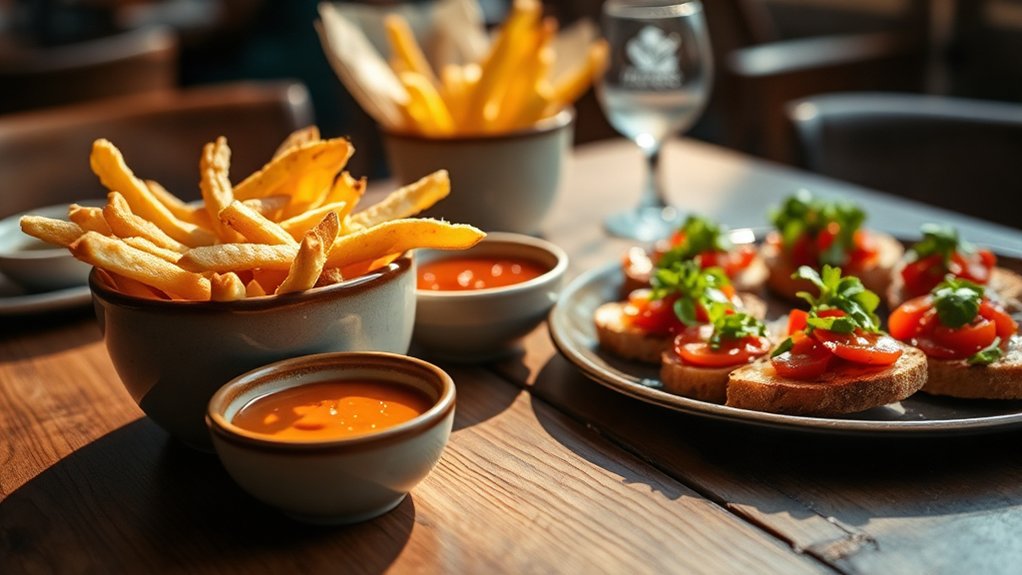
How can you tell if your appetizer or side dish will cost more than expected? First, watch for small print or asterisks next to menu items—these often indicate extra charges for add-ons or substitutions.
For example, a side salad might come with a basic dressing, but premium dressings can add to the price. Also, notice if the menu lists a base price but specifies that certain toppings or ingredients are extra.
Don’t assume “family-style” or “sharing” portions are included in the price; sometimes larger servings come with an upcharge. Pay attention to descriptions mentioning “served with” or “includes,” as anything outside that might add fees.
Finally, if the menu doesn’t clearly state prices for sides or appetizers separately, ask your server before ordering. Being alert to these cues helps you avoid surprises and keeps your meal within budget.
How Drink and Cocktail Prices Impact Your Bill
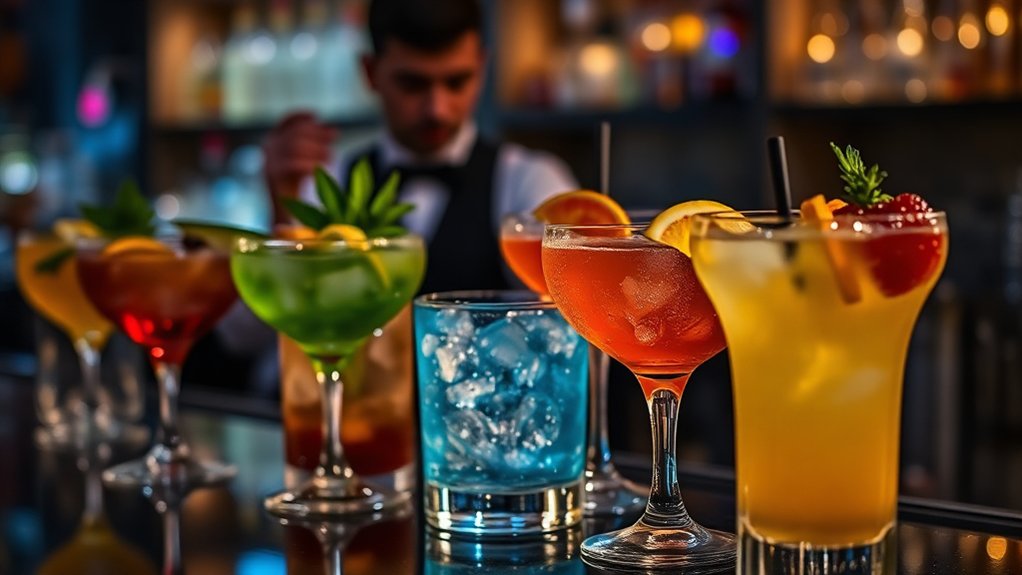
When you order drinks or cocktails, their prices can quickly add up and greatly affect your overall bill. Cocktails often come with premium ingredients or elaborate preparations, which justify higher prices compared to simple beverages.
You might think a single drink won’t make a difference, but multiple rounds or fancy cocktails can considerably increase your tab. Also, keep an eye out for specialty drinks or those made with top-shelf liquors—they tend to cost more.
Don’t forget that some bars add extra charges for garnishes or mixers. If you’re budget-conscious, consider sticking to house wines, beers, or basic mixed drinks, which are usually more affordable.
Checking the drink menu before ordering helps you avoid surprises. Ultimately, being mindful of drink prices lets you enjoy your meal and beverages without overspending or feeling sticker shock when the bill arrives.
Why Main Course Prices Don’t Always Match Portions
Even if a main course looks small on your plate, its price might reflect more than just portion size. You’re paying for quality ingredients, preparation complexity, and the chef’s expertise.
A dish featuring rare or imported items will cost more, regardless of how much food you get. Plus, some meals require time-intensive cooking techniques or special equipment, which adds to the price.
You might also notice price variations due to the location or ambiance of the restaurant. A high-end spot charges for the overall dining experience, not just the food quantity.
Seasonal availability can play a role, too—ingredients in short supply drive up costs. So, when you’re scanning the menu, don’t automatically think a smaller portion means a cheaper meal.
Instead, consider all the factors influencing the price. That way, you can make a more informed decision about what you’re really paying for.
How Dessert Prices Can Surprise Your Final Tab
While main course prices often reflect more than just portion size, dessert costs can be just as surprising—and for different reasons. When you glance at the dessert menu, you might expect smaller portions to mean smaller prices. But that’s not always the case.
Desserts often involve expensive ingredients like high-quality chocolate, vanilla beans, or imported nuts, which can drive prices up. Plus, the labor involved in crafting intricate desserts adds to the cost. You might also find some places charge a premium for desserts that require specialized preparation or presentation.
Keep in mind, desserts are often priced individually, so adding one or two can quickly inflate your final bill. If you’re not careful, that seemingly small sweet treat can turn into a significant expense.
To avoid surprises, check dessert prices before ordering and consider sharing if portions are generous. That way, you’ll satisfy your sweet tooth without breaking the bank.
Frequently Asked Questions
Are Prices Higher During Peak Dining Hours?
Yes, prices can be higher during peak dining hours, especially at popular restaurants or in busy areas. You might notice special surcharges or limited-time offers that increase costs.
If you want to save money, try dining during off-peak times like late afternoons or weekdays. That way, you can enjoy the same dishes without paying extra.
It’s a smart move if you’re budget-conscious but still want a great meal.
Do Menu Prices Include Taxes?
Of course, the menu prices include taxes—said no restaurant ever. You’d think the price tag is the final bill, but nope, taxes sneak in like uninvited guests.
So when you’re eyeing that $15 burger, brace yourself for a little extra surprise at checkout. It’s like a financial plot twist—restaurants keep prices looking nice and neat, while taxes quietly inflate your tab behind the scenes.
Always double-check before you order!
Can I Get Discounts for Large Groups?
Yes, you can often get discounts for large groups, but it depends on the restaurant’s policy. Some places offer group rates or special deals if you book in advance or order a set menu.
It’s a good idea to call ahead and ask about any group discounts or packages they might have. When you do, mention the size of your group and any special requests to get the best offer.
Are Kids’ Menu Prices Always Cheaper?
Kids’ menu prices are usually cheaper, but not always. In fact, about 78% of restaurants offer kids’ meals at a discount compared to adult portions.
You’ll find that these meals often come smaller and with simpler sides, which is why they cost less. However, some places charge nearly the same for kids’ options, especially if the ingredients or preparation are similar to adult dishes.
How Often Do Restaurants Update Their Menu Prices?
Restaurants usually update their menu prices every few months to a year. It depends on things like ingredient costs and inflation.
You’ll notice price changes more during economic shifts or when seasonal ingredients aren’t available. Sometimes, they adjust prices quietly without changing the menu design.
If you’re a regular, it’s a good idea to check prices before ordering. Even small increases can add up over time.
Conclusion
You’d think menus would make ordering simple, but they often don’t. Those tempting appetizers and drinks? They sneakily inflate your bill.
Main courses might look like a steal until you realize the portions don’t match the price. Desserts, sweet as they seem, can leave your wallet feeling bitter.
So next time you order, remember: what looks straightforward on the menu might just be a clever way to keep your money dancing out the door.