Prices Chef Menu 5 Must-Know Items
When setting prices on a chef’s menu, you’ll notice they balance ingredient costs with creativity and customer expectations.
Appetizers are priced low to lure you in and boost overall sales.
Sides and extras offer customization and higher profit margins without big price jumps.
Desserts reflect ingredient quality and presentation, while beverages are priced to enhance perceived value and profitability.
Keep exploring, and you’ll uncover how these tactics perfectly blend art and business.
Key Takeaways
- Menu prices balance ingredient costs, preparation complexity, and dining experience to ensure sustainability and customer satisfaction. It’s all about finding that sweet spot.
- Affordable appetizer pricing attracts customers and encourages ordering additional menu items like entrees and drinks. People love starting with something light before the main course.
- Pricing sides and extras boosts profit margins while enhancing meal customization and overall perceived value. It’s a win-win for both the restaurant and the customer.
- Dessert prices reflect luxury ingredient costs, preparation effort, portion size, and seasonal availability for targeted customers. Desserts are often the perfect indulgence.
- Beverage pricing sets quality expectations, improves profitability, and supports bundling to increase total customer spend. Drinks can really make or break the dining experience.
How Chefs Set Prices Across Their Menus
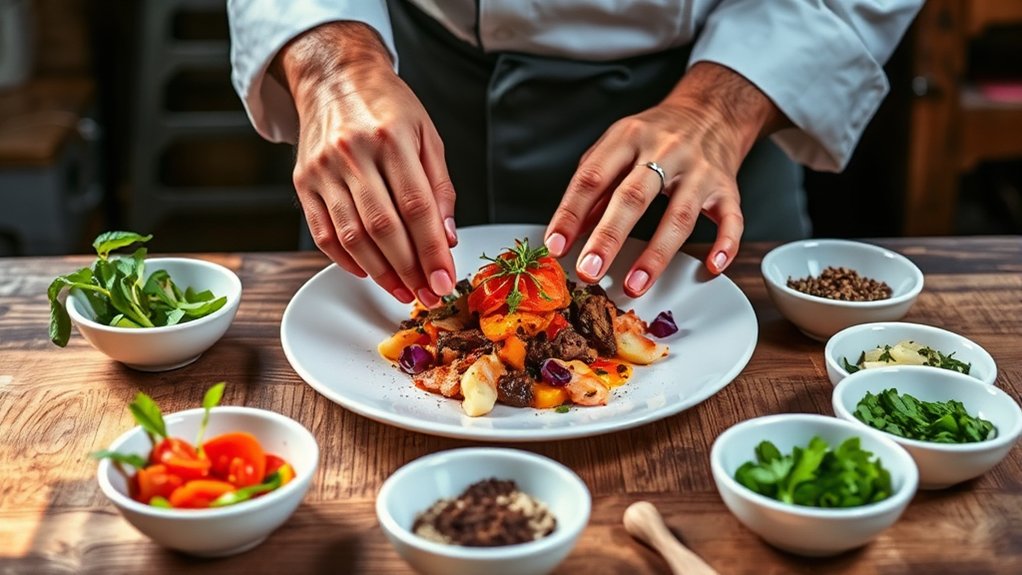
When chefs set prices across their menus, they don’t just consider ingredient costs—they also think about how each dish fits into the overall dining experience. You’ll notice that some dishes are priced higher because they involve more complex preparation or rare ingredients.
At the same time, others balance the menu with more affordable options. Chefs aim to create a pricing structure that reflects both value and creativity.
They also analyze competitors’ prices and customer expectations to stay competitive. You’ll find that portion size, presentation, and even the perceived prestige of a dish affect its price.
By strategically pricing items, chefs guarantee the restaurant covers costs, offers variety, and maximizes profit without deterring customers. When you understand this, you see that menu pricing is a careful balance between art and business.
It’s designed to enhance your dining experience while keeping the restaurant sustainable.
Why Appetizers Are Priced to Attract Customers
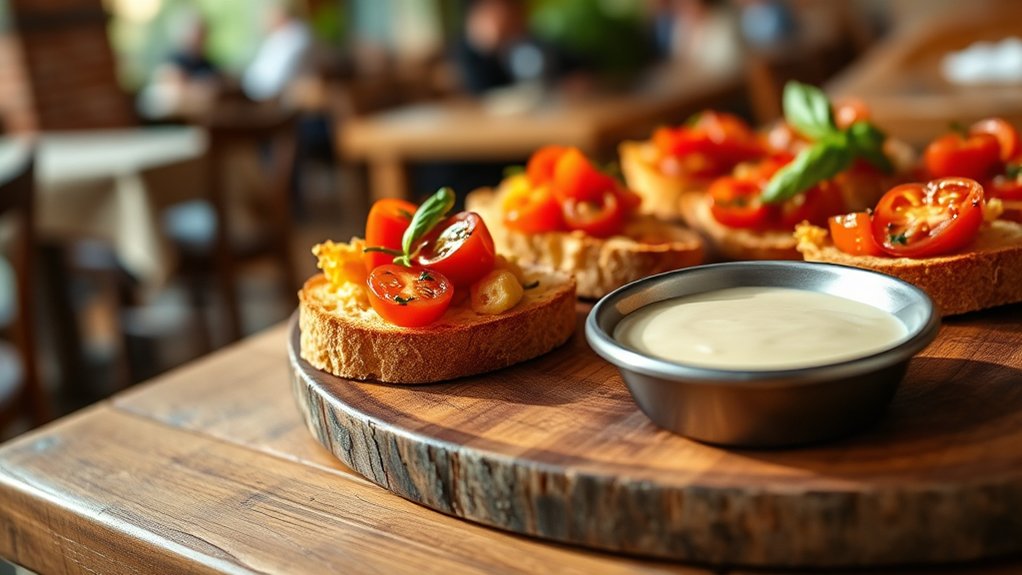
Although appetizers often have lower ingredient costs, they’re priced strategically to draw you in and encourage you to explore the rest of the menu. When you see affordable starters, you’re more likely to order one, which creates a positive first impression.
This pricing tactic not only tempts you to try the kitchen’s specialties but also sets the stage for additional orders, like entrees and drinks. Chefs know that a well-priced appetizer can increase your overall satisfaction and your total bill without feeling pushy.
By offering appealing appetizers at accessible prices, restaurants make it easier for you to commit to dining in. Plus, these items showcase the chef’s creativity, giving you a taste of what’s to come.
You’ll often find appetizers priced lower than main courses, but that’s intentional—it’s about inviting you to start your meal on a high note, building anticipation for the rest of your dining experience.
How Sides and Extras Help Balance Menu Pricing
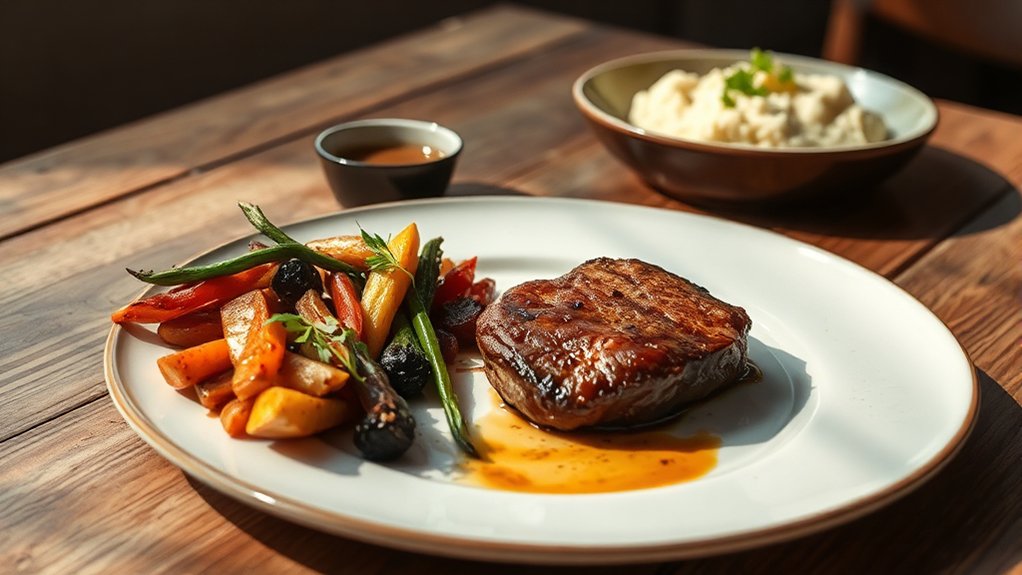
Since sides and extras often cost less to prepare, they’re priced to complement main dishes while boosting overall sales. When you add these items strategically, you not only enhance the dining experience but also increase your average check size without overwhelming customers with high prices.
Here’s how sides and extras help balance your menu pricing:
- Increase Perceived Value: They make main dishes appear more satisfying and complete without a big price jump.
- Encourage Customization: Guests appreciate options to tailor meals, making your menu more appealing.
- Improve Profit Margins: Low-cost sides and extras can be priced to yield better margins than main courses.
- Drive Repeat Business: Offering popular extras can encourage customers to return for their favorites.
What Influences Dessert Pricing Decisions
Dessert pricing decisions hinge on several key factors that you’ll want to contemplate carefully. First, ingredient costs play a major role—luxury items like chocolate, fresh berries, or nuts can drive prices up, so you need to balance quality with cost.
Preparation time and complexity also influence your pricing; desserts requiring intricate techniques or longer cooking times justify higher prices. You should also consider portion size and presentation, as these impact perceived value.
Additionally, your target market’s willingness to pay matters—a fine dining crowd expects premium pricing, while casual diners may prefer affordable treats. Don’t forget competition; surveying local dessert prices helps you stay competitive without undervaluing your offerings.
Seasonal availability can affect ingredient costs and freshness, so adjust prices accordingly. Finally, think about profit margins; you want to cover costs and generate profit without deterring customers.
How Beverage Pricing Shapes Overall Menu Value
Just like dessert pricing, setting the right prices for beverages can greatly impact how customers perceive your entire menu. When you price drinks thoughtfully, you not only boost your sales but also enhance the perceived value of every item.
Here’s how beverage pricing shapes your menu’s overall appeal:
- Anchor Effect: A well-priced premium drink can make other menu items seem more affordable.
- Profit Margins: Beverages often have higher margins, so optimizing prices here improves your overall profitability.
- Customer Expectations: If drinks are priced too high or low, it may skew how diners view your restaurant’s quality.
- Bundling Opportunities: Appropriate drink prices encourage combo deals, increasing average ticket size.
Frequently Asked Questions
How Often Should Chefs Update Their Menu Prices?
You should update your menu prices at least every six months to keep up with changing ingredient costs and market trends. If you notice a sudden spike in supply prices or shifts in customer demand, don’t wait—adjust them sooner.
Regular updates help maintain your profit margins without surprising your customers. Staying proactive guarantees your menu stays competitive and reflects the true value of your dishes.
What Role Does Competitor Pricing Play in Menu Decisions?
Competitor pricing plays an essential role in your menu decisions because it helps you stay competitive and attract customers. You don’t want to price your dishes too high or too low compared to similar restaurants nearby.
How Do Seasonal Ingredient Costs Affect Menu Pricing?
Seasonal ingredient costs directly impact how you price your menu. When ingredients are in season, they’re usually cheaper and fresher. This lets you offer better dishes at lower prices.
Off-season, costs rise, so you’ll need to adjust prices or swap ingredients to maintain profitability. It’s all about staying flexible and smart with your choices.
Being aware of these fluctuations helps you keep your menu both appealing and cost-effective. That way, you balance quality and price without surprising your customers.
Are There Pricing Strategies for Special Dietary Menus?
Absolutely, you can use pricing strategies for special dietary menus. Think of it like a Renaissance fair where every dish has its own tale and value.
You’ll want to factor in ingredient costs, prep time, and exclusivity. Premium pricing works well if ingredients are rare or organic.
Bundling items or offering tasting menus can also entice customers. Just make sure your prices reflect the care and uniqueness of these special dishes.
How Do Chefs Handle Pricing for Limited-Time Menu Items?
You usually price limited-time menu items by considering ingredient costs, seasonal availability, and how unique the dish is. Since these items create excitement, you can often set a slightly higher price to reflect exclusivity.
You’ll also factor in preparation time and potential waste. Testing customer response helps you adjust pricing quickly. This way, you balance profitability with appeal without overpricing something that’s only around briefly.
Conclusion
When setting prices, remember that every dish plays a part in your menu’s success. As the old saying goes, “You can’t judge a book by its cover”—the price should reflect more than just ingredients; it’s about value and experience.
From appetizers to beverages, each item helps shape how customers see your menu. By understanding these must-know pricing strategies, you’ll create a balanced menu that attracts and satisfies diners every time.